

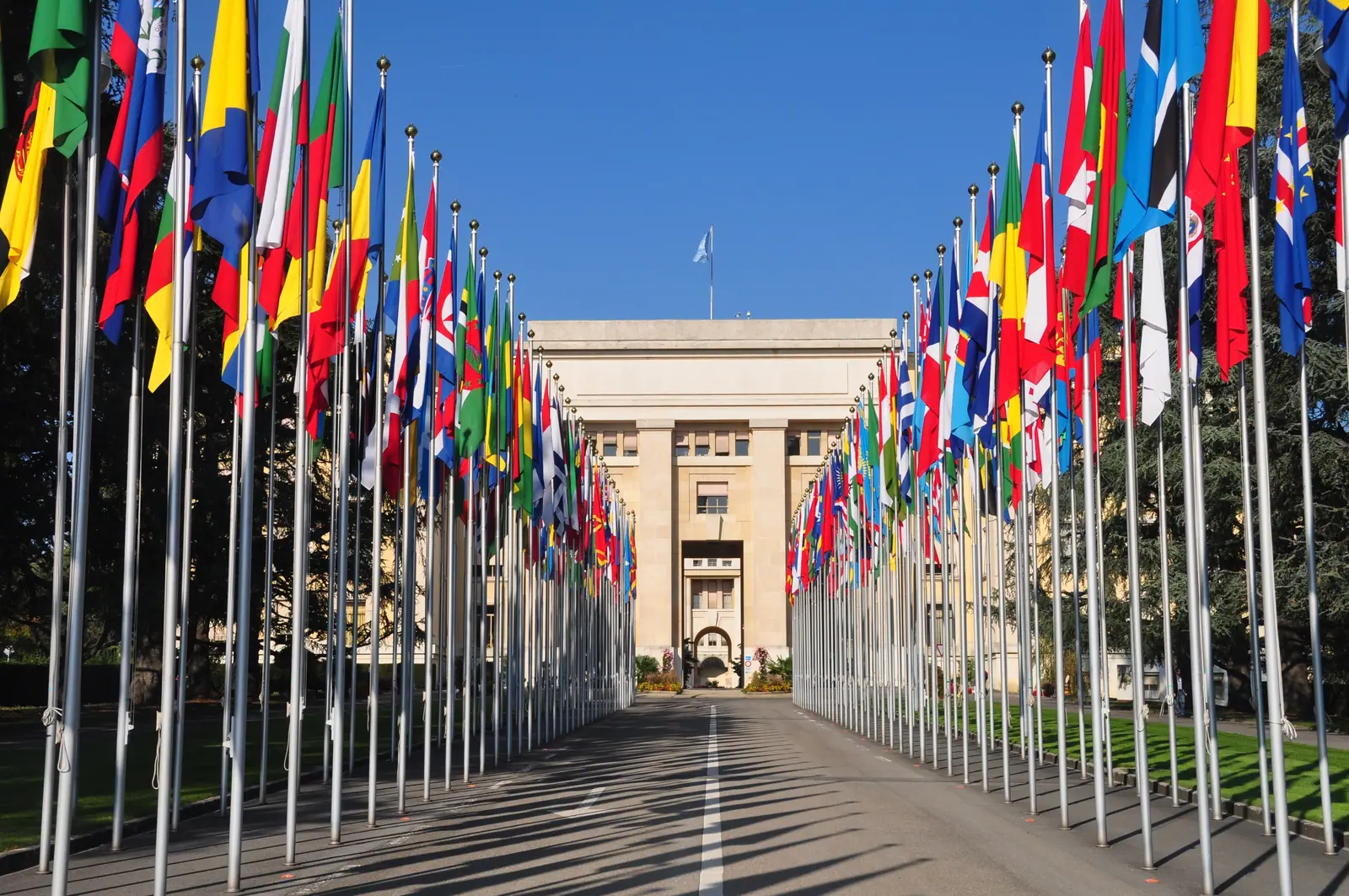

Diplomacy is often narrowly associated with formal negotiations between governments, a specialized activity confined to a particular class of professional representatives operating within the specific institutional context of international relations. This narrow association understates what diplomacy actually is at its core: a genuine leadership discipline, the capacity to advance shared interests and resolve disagreement between parties who hold genuinely different perspectives, without resorting to coercion or abandoning one's own legitimate position. Understood this way, diplomacy remains one of the more essential leadership skills available to anyone navigating disagreement at any level, from international relations to institutional leadership more broadly.
Examining what makes diplomacy genuinely effective, and why this discipline remains as consequential as ever despite considerable change in how nations and institutions communicate and interact, clarifies why diplomatic skill deserves considerably more deliberate cultivation than it often receives.
What Diplomacy Actually Requires
Genuine diplomacy requires a combination of capabilities considerably more demanding than simple politeness or the capacity to avoid open conflict. It requires the patience to engage with a genuinely different perspective long enough to understand what that perspective actually values, rather than assuming understanding prematurely based on a superficial reading of the other party's stated position. It requires the discipline to represent one's own legitimate interests firmly while remaining genuinely open to outcomes that differ from one's initial preference, provided those outcomes still serve the underlying interest that preference was meant to protect. And it requires the judgment to distinguish between disagreements that reflect genuinely incompatible interests and disagreements that, upon closer examination, reflect miscommunication or incomplete understanding capable of resolution once both parties genuinely engage with what the other is actually seeking.
This combination of capabilities is genuinely difficult to sustain, particularly under the kind of pressure that significant disagreements between nations or institutions typically generate, pressure that tends to favor more assertive, less patient approaches that can feel, in the moment, more decisive and more satisfying than the sustained, often unglamorous work genuine diplomacy actually requires.
Why Diplomacy Remains Essential Despite Changing Communication
The tools and channels through which nations and institutions communicate have changed considerably, and continue to change at a pace earlier generations of diplomatic practice did not anticipate. This change in communication method has not diminished the underlying need for genuine diplomatic skill, since the fundamental challenge diplomacy addresses, reconciling genuinely different interests and perspectives without resorting to coercion, remains as present as ever regardless of how quickly or through what specific channel communication itself occurs. If anything, faster and more constant communication has arguably increased the demand for genuine diplomatic skill, since the pace of modern communication leaves considerably less natural space for the patient reflection that sound diplomatic judgment typically requires, placing a greater premium on leaders and institutions capable of maintaining that patience deliberately, even amid communication conditions that do not naturally encourage it.
This means that diplomatic skill has become, if anything, more rather than less essential as communication technology has evolved, even though the specific channels through which diplomatic engagement occurs continue to change considerably. Leaders and institutions that recognize this, investing deliberately in genuine diplomatic capability rather than assuming that faster communication alone resolves the underlying challenge diplomacy addresses, tend to navigate disagreement considerably more successfully than those that mistake faster communication for a substitute for genuine diplomatic skill.
Finding Shared Interest Amid Genuine Disagreement
One of diplomacy's more demanding requirements is the capacity to locate genuine shared interest between parties whose positions, examined only at the surface level, appear entirely incompatible. This requires looking past each party's stated position toward the underlying interest that position is meant to serve, since parties who appear to hold entirely incompatible positions frequently hold underlying interests considerably more compatible than their stated positions alone would suggest, a compatibility that skilled diplomatic engagement can sometimes surface even when neither party initially recognized it themselves.
This capacity to locate shared interest beneath surface disagreement distinguishes genuinely skilled diplomatic practice from more superficial negotiation focused narrowly on splitting the difference between two stated positions, an approach that frequently produces outcomes considerably less durable than agreements built around genuinely shared underlying interest. Diplomatic practitioners who develop this deeper capacity tend to produce agreements that both parties genuinely continue honoring over time, since those agreements actually serve interests both parties genuinely hold, rather than representing a compromise neither party feels genuinely satisfied by and consequently feels less committed to sustaining.
Why Diplomatic Skill Is Frequently Undervalued
Diplomatic skill is frequently undervalued relative to more visibly assertive leadership approaches, since diplomacy's genuine successes are often quiet, disagreements resolved before they escalate into more visible conflict, partnerships built gradually rather than through any single dramatic breakthrough, outcomes that, precisely because they avoided visible crisis, receive considerably less public attention than the more dramatic alternative of visible conflict followed by a dramatic resolution. This asymmetry in visibility creates a systematic bias against genuine investment in diplomatic capability, since the value diplomacy provides is considerably harder to demonstrate than the more visible, if often more costly, alternative of allowing disagreements to escalate before addressing them through more dramatic, more visible means.
This undervaluation carries genuine cost, since institutions and leaders that underinvest in genuine diplomatic capability, having been led by this visibility asymmetry to underestimate diplomacy's actual value, tend to find themselves navigating disagreement less effectively than institutions and leaders that recognize diplomatic skill's genuine, if often quiet, contribution to sustained stability and cooperation.
Cultivating Diplomatic Capability Deliberately
Given diplomacy's genuine and continuing importance, institutions and leaders benefit from cultivating this capability deliberately rather than assuming it develops automatically through general leadership experience alone. This cultivation requires genuine investment in the specific capabilities diplomacy demands, patience under pressure, disciplined listening capable of genuinely understanding a different perspective, and the judgment required to locate shared interest beneath surface disagreement, capabilities that benefit from deliberate development rather than being assumed to emerge naturally simply because a leader has accumulated general experience and authority.
Institutions that invest in this deliberate cultivation, building genuine diplomatic capability among their leadership rather than assuming general leadership experience alone provides adequate preparation, tend to navigate the genuine disagreements that any institution or nation inevitably encounters considerably more successfully than institutions that continue underinvesting in this genuinely essential, if often underappreciated, leadership discipline.
A Discipline Worth Sustained Investment
Diplomacy, examined honestly, remains one of the more consequential leadership skills available to anyone navigating genuine disagreement, whether between nations, between institutions, or within any context requiring the reconciliation of genuinely different perspectives without resorting to coercion. The nations and institutions that sustain genuine investment in this capability, understanding its quiet but genuine value even amid a broader environment that frequently rewards more visible, more assertive approaches, tend to build considerably more durable partnerships and considerably more sustainable resolutions to the disagreements they inevitably encounter.