

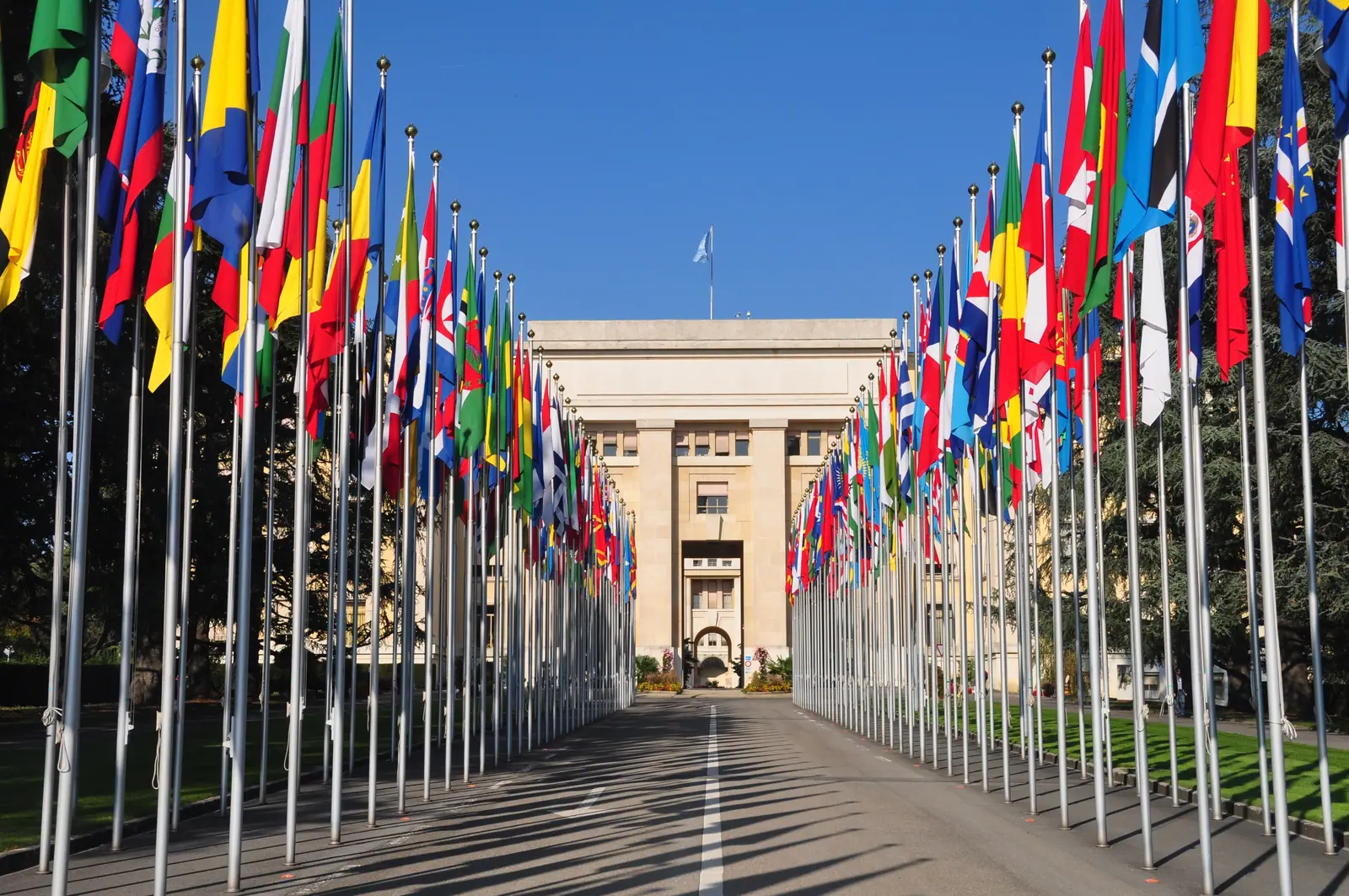

The quality of leadership within any single nation has always mattered to that nation's own trajectory, but in a genuinely interconnected world, leadership quality increasingly matters beyond the borders of the nation exercising it, contributing to or detracting from a broader global stability that no single nation's leadership, however capable, can fully secure alone. This means that the aggregate quality of leadership across the community of nations, whether that leadership tends toward thoughtful, principled engagement or toward reactive, narrowly self-interested decision-making, genuinely shapes whether the broader international system remains stable or grows more volatile over time.
Examining specifically what distinguishes thoughtful leadership from its more reactive alternative, and how the aggregate presence or absence of this thoughtful quality across nations actually affects broader global stability, clarifies why strong leadership deserves treatment as a genuine global public good rather than merely a national concern each nation pursues independently for its own benefit alone.
What Distinguishes Thoughtful Leadership From Reactive Leadership
Thoughtful leadership is characterized by a willingness to engage genuinely with complexity, resisting the pull toward reactive simplification that treats genuinely complicated circumstances as though they admitted simple, immediate resolution, and by a genuine capacity for restraint, the discipline to avoid actions that might provide immediate satisfaction or advantage while producing genuine longer-term cost, whether to the acting nation itself or to the broader stability that nation's actions affect. This thoughtful quality also includes a genuine willingness to consider how a given decision's consequences extend beyond the immediate, narrow interest that decision was originally intended to serve, incorporating this broader consideration into the decision-making process rather than treating it as a secondary concern subordinate to more immediate national interest alone.
Reactive leadership, by contrast, tends to prioritize immediate response over sustained consideration, treats complex circumstances as though they required only the application of sufficient decisiveness rather than genuine, patient engagement with their actual complexity, and weighs immediate national advantage without comparable attention to broader consequence that advantage might produce beyond the acting nation's own immediate interest. This distinction between thoughtful and reactive leadership is not a matter of decisiveness versus indecisiveness, since thoughtful leadership can and frequently does act decisively once genuine consideration has actually occurred. It is a matter of whether that decisiveness follows genuine engagement with complexity and broader consequence, or substitutes for that engagement entirely.
How Leadership Quality in One Nation Affects Stability Beyond Its Borders
In a genuinely interconnected international system, a single nation's leadership decisions propagate beyond that nation's own borders through the same interconnected economic, technological, and social systems examined at length elsewhere in this ongoing inquiry, meaning that reactive, narrowly self-interested leadership within one nation can produce genuine instability that other nations, however thoughtfully led themselves, cannot entirely insulate themselves from. This propagation means that global stability genuinely depends on the aggregate quality of leadership across the broader international community, not merely on the quality of leadership within any single nation considered in isolation.
This interdependence creates a genuine, if often underappreciated, stake that every nation holds in the leadership quality of other nations, since a single instance of genuinely reactive, destabilizing leadership within one nation can produce consequence that extends well beyond what that nation's own internal circumstances alone would predict, affecting the broader stability that even well-led nations depend upon to sustain their own continued prosperity and security.
Why Thoughtful Leadership Contributes to Peace
Thoughtful leadership contributes to peace through its characteristic restraint and genuine engagement with complexity, since many significant international tensions escalate not because underlying disagreements are genuinely irresolvable, but because reactive leadership on one or more sides forecloses the patient, sustained engagement that genuine resolution typically requires, substituting immediate, forceful response for the more difficult work of understanding a disagreement's actual underlying complexity and working patiently toward resolution that addresses that complexity rather than merely reacting to its most immediately visible symptom.
Nations led thoughtfully tend to de-escalate tension more successfully than nations led reactively, not because thoughtful leadership is inherently weaker or more accommodating, but because thoughtful leadership genuinely distinguishes between disagreements requiring firm, principled response and disagreements that patient, sustained engagement could actually resolve, a distinction that reactive leadership, defaulting toward immediate, forceful response regardless of the underlying circumstance, frequently fails to make with comparable care.
Why Thoughtful Leadership Contributes to Economic Resilience
Thoughtful leadership contributes to broader economic resilience through the same institutional consistency and governance transparency examined at length elsewhere in this ongoing inquiry, since thoughtful leaders tend to sustain the kind of predictable, principled governance that broader economic stability depends upon, while reactive leadership tends to introduce the kind of policy volatility that undermines economic confidence not merely within the reactively led nation itself, but within the broader interconnected economic system that nation's economic activity connects to. This means that thoughtful leadership's contribution to economic resilience extends beyond the leading nation's own economy, supporting the broader economic stability that the interconnected global economic system as a whole depends upon.
Why the Aggregate Quality of Leadership Shapes Systemic Stability
Given that individual nations' leadership quality genuinely affects stability beyond their own borders, the broader international system's overall stability depends considerably on the aggregate quality of leadership across the full community of nations, a system-level property that no single nation, however thoughtfully led, can fully secure through its own leadership alone. This means that constructive international engagement, the sustained diplomatic and collaborative effort examined throughout this ongoing inquiry, serves a genuine function beyond advancing any individual nation's specific interests, contributing to the broader cultivation of thoughtful leadership norms across the international community that genuine global stability ultimately depends upon.
Nations that recognize this systemic stake, investing in constructive engagement not merely to advance their own narrow interest but to contribute genuinely to the broader leadership quality that sustains global stability, contribute to a genuine global public good whose benefit extends considerably beyond what any single nation's more narrowly self-interested calculation would predict, a recognition that thoughtful leadership, examined honestly, serves purposes considerably larger than any individual nation's own immediate advantage alone.